It’s nearly time to head back to school – are your children feeling anxious?
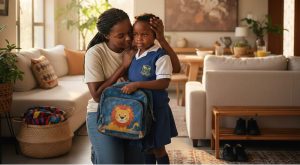
With the holidays wrapping up in a couple of weeks, it’s nearly time to head back to school. Are your children feeling anxious about the idea? Whether they’re starting school for the first time or returning after a break, visualisation is a simple yet powerful technique that helps children picture positive outcomes, reduce anxiety, and build confidence.
For young children with creativity that is still vivid and wonderfully unrestrained, visualisation – the practice of creating mental images – can become a valuable tool for emotional growth and learning.
Encourage your children to close their eyes and imagine themselves walking confidently into the classroom, smiling, and being greeted by friends. This helps the brain rehearse the situation, making the real experience less intimidating. Afterwards, chat about how they felt in their imagined scenario and connect that confidence to real life. Invite them to include details such as colours, sounds, smells, and feelings of calm.
 Visualisation empowers children to manage fears by imagining themselves overcoming challenges. Whether they’re climbing a ‘hill of heroism’ or wearing a ‘cloak of courage’, this mental rehearsal turns fearful anticipation into a sense of capability and success. It’s a helpful approach for unfamiliar situations such as doctor visits, sleepovers, or performing in front of others.
Teaching children to visualise their favourite ‘safe space’—a beach, a garden, or a secret hideaway—gives them a practical coping strategy for moments of anxiety, fear, or sadness. Over time, they learn to return to these comforting images whenever they need reassurance.
In a nutshell:
- Make visualisation a calming bedtime ritual by imagining a ‘happy dream movie’.
- Suggest visualising doing their best work before a test or an exam.
- In moments of nervousness, they could imagine a superhero standing right beside them.
- Keep sessions short—two to five minutes is ideal for young children.
- Keep it playful and follow their imagination rather than giving strict instructions.
- Talking about what they visualised helps them process emotions.
- Short, regular practice builds stronger benefits over time.
- By practising visualisation, children learn to manage big feelings, boost confidence, and enjoy the magic of their imagination—skills that will support them for years to come.