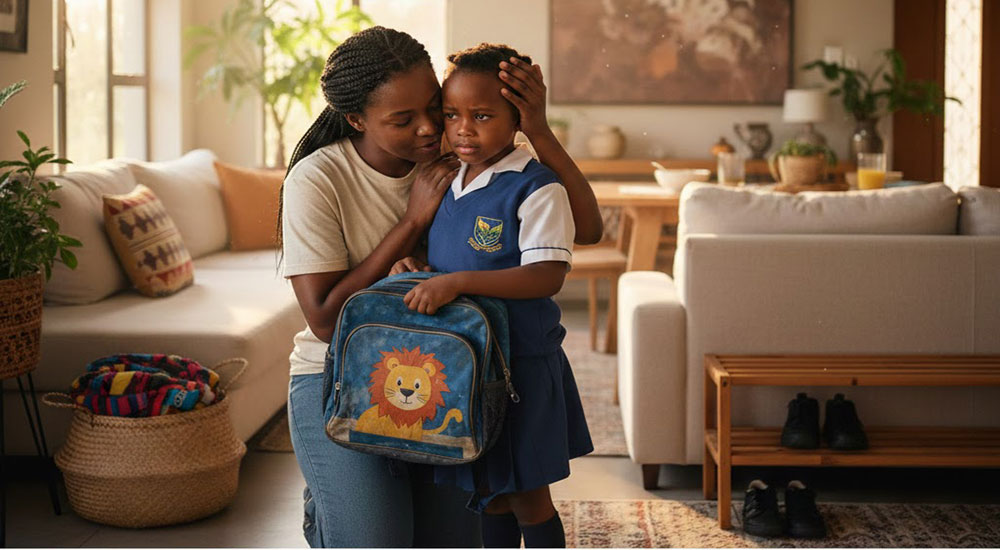
Anxiety is a normal part of childhood, but…
Anxiety is a normal part of childhood, but…
It’s almost year end and there are situations that might cause anxiety for your child. These include end-of-year report cards; changes in routine; thoughts about moving to a new grade, school, or teacher; saying goodbye to classmates who may be leaving; not knowing what next year will look like; busy festive environments, to name a few.
While fear is a reaction to a current or immediate threat, anxiety is worrying about something that might – or might not – happen in the future.
In our August column we addressed fear now we focus on anxiety.
Anxiety is a normal part of childhood, but when worries become overwhelming or interfere with daily life, children need guidance and support. Addressing anxiety early helps prevent it from developing into long-term difficulties and equips children with coping strategies they can use throughout their lives.
The first step is recognition.
Parents of young children should look out for signs such as:
- irritability, tearful or clingy,
- difficulty sleeping,
- waking in the night,
- bed wetting,
- bad dreams,
- stomach aches or headaches.
In older children, parents may notice that they:
- lack confidence to try new things,
- seem unable to face simple, everyday challenges,
- find it difficult to concentrate,
- have problems sleeping or eating,
- have angry outbursts,
- have a lot of negative thoughts, or think that bad things are going to happen,
- start avoiding everyday activities, such as seeing friends, going out in public or going to school.
 Once anxiety is acknowledged, open communication becomes essential. Children need reassurance that it is safe to talk about their worries. Listening calmly, without judgment, shows them that their concerns are taken seriously. Instead of dismissing anxieties with ‘don’t worry’, parents can gently explore what is troubling the child and help put those worries into perspective.
Here are a few ideas on how to ease anxiety in children:
- teach your child to recognise signs of anxiety in him/herself,
- encourage your child to ask for help when needed,
- children of all ages find routines reassuring, so try to stick to regular daily routines,
- if your child is anxious because of distressing events, such as a bereavement or separation, look for books or films that will help him/her to understand the feelings and realise it’s normal to feel sad or anxious in these situations,
- if you know a change, such as a house move/moving schools, is coming up, prepare your child by talking to him/her about what is going to happen and why,
- try not to become overprotective or anxious yourself,
- distraction can be helpful for young children – if they are anxious about going to a certain place, play games on the way there, such as seeing who can spot the most red cars,
- turn an empty tissue box into a ‘worry’ box, and get your child to write about or draw the worries and ‘post’ them into the box – you can sort through the box together at the end of the day or week,
- Practise mindfulness with your child.
If your child is really struggling and it’s affecting everyday life, we at Capulum College are equipped to help you help your child.