Gratitude is about more than lavish gifts
Too many people are unable to display gratitude in a meaningful, heartfelt manner.
With the festive season almost upon us, it is an important topic to consider. Is your child’s gratitude spontaneous? And remember gratitude is about more than lavish gifts. It’s about what brings joy – a favourite song, a friendly greeting, a beautiful day, a comfortable blanket or time spent with a pet.
Of course, it’s not only at this time of the year that one should display gratitude, but this is an ideal time to address the topic.
Gratitude isn’t something we’re born with – it’s something we learn. At about four years old, children begin to recognise their emotions as well as the feelings of those around them. This is the time to emphasise the little details that help them develop gratitude.
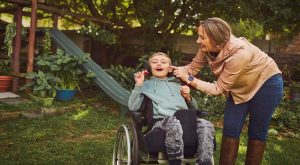
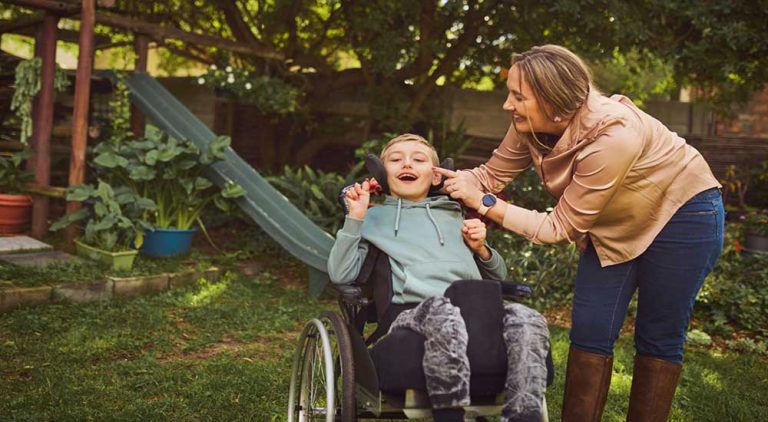
Teaching spontaneous gratitude, particularly to children with special needs, is less about teaching them to say thank you and more about helping them recognise and appreciate the kindness, experiences, and small pleasures that enrich their lives. Gratitude should grow naturally from understanding and connection, rather than it becoming another social rule they are expected to follow.
 Recent studies indicate that fostering gratitude in children leads to increased happiness as they grow older. This positive outlook helps create optimism, healthy relationships, and increased support for others. Grateful children also express higher satisfaction with their schools, families, communities, friendships, and, most importantly, themselves.
The following are a few suggestions to help you, as a parent, help your child feel and express gratitude.
- Children learn from what they feel, see and hear so let them hear you expressing genuine appreciation in everyday situations – thanking someone for helping you, commenting on a beautiful view or voicing happiness at sharing a meal. Explain what made you feel grateful, rather than simply saying the words.
- By understanding your child’s interests and sensory preferences, you can create opportunities for meaningful experiences that may naturally prompt appreciation.
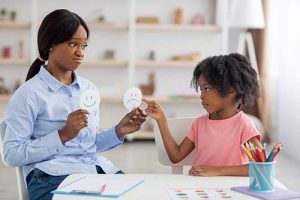
- Some children struggle to show or express emotions. Picture cards showing happiness, kindness, sharing, and helping can provide a starting point. After a positive experience, ask your child to point to a picture that represents how he/she feels.
- Give your child the chance to help in ways that suit his/her abilities – handing out crayons, watering a plant, helping to feed a pet or choosing a book to share. This aims to result in your child recognising the pleasure that comes from helping someone else – the gratitude he/she receives.
- Suggest that your child places drawings, photographs or short notes in a box whenever something makes him/her happy, or someone does something kind. Revisit these memories together.
- Over dinner share what you are grateful for. Then give each family member a chance to express their personal gratitude for something relevant to that day – remember the food on the table…
Spontaneous gratitude cannot be demanded – it must be nurtured. When children feel safe, understood, and accepted, they have more opportunities to recognise kindness and respond in their own way.