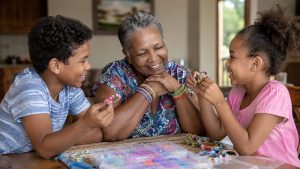
Loneliness is real and painful…
Differences in communication, learning styles, physical abilities, or social behaviour can make it difficult for children with special needs to form friendships and feel included. This means loneliness can be challenging for them. With patience, understanding, and intentional support, however, these children can build meaningful connections and a strong sense of belonging.
Loneliness is real and painful, so remember to:
- Be patient – social-emotional growth takes time and consistent effort.
- Be present – give your child your full attention when he/she needs to talk.
- Celebrate strengths – focus on what your child can do and acknowledge his/her unique talents.
An important step is to acknowledge your child’s feelings. To build security, schedule regular, distraction-free moments for talking and playing. Encourage your child to express the way he/she feels, through words, drawings, play, or any other means of communication. Listening without judgement helps your child feel seen and valued – and reassures him/her that emotions matter.
Building social skills gradually can make a difference. Many children with special needs want friends but may not know how to start or maintain interactions. Role-playing simple social situations, such as greeting someone or taking turns, can help them practise in a safe environment. Praising small successes builds confidence. Avoid comparing them to other children, because children develop at their own pace.
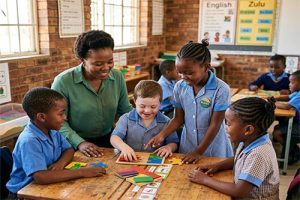 Shared interest is another way to reduce loneliness. Children connect more easily when they engage in activities they enjoy. Whether it is art, music, animals, sport, or technology, joining small groups or clubs centred around their interests can help friendships form naturally. Structured activities often feel safer than unstructured social time, especially for children who struggle with social demands.
Do not force social interaction. Remember loneliness does not always look the same in every child. Some children may prefer fewer friendships and more quiet time. Be aware of your child’s needs. The goal is to ensure your child feels connected, understood, and valued in his/ her own way.
Teachers and therapists can help by creating environments where differences are respected. Educating classmates about empathy and acceptance encourages kindness and reduces isolation. Peer-buddy systems, where a child is paired with a supportive classmate, can help him/her feel less alone and more confident in social settings.
Strong family connections provide a valuable emotional foundation. Spending quality time together, keeping to routines, and celebrating the child’s strengths all contribute to a sense of security and self-worth. When children feel accepted at home, they are better equipped to face social challenges elsewhere.
Helping a child with special needs overcome loneliness requires patience, empathy, and consistency. If you need support, we at Capulum College are qualified to help you help your child. By creating supportive environments, encouraging genuine connections, and recognising your child’s unique strengths, we can help him/her feel less alone and more confident.