Not all surprises bring delight
Surprises are often associated with joy and excitement, but for children with special needs they can have mixed effects, depending on the child, the nature of the surprise, and how it is introduced. Not all surprises bring delight and positive stimulation, some may cause anxiety, confusion, or emotional distress.
 Many children with special needs – particularly those on the autism spectrum – rely on routine and predictability to feel safe and regulated. An unexpected change, even one intended to be pleasant, can be overwhelming. Sudden shifts in plans, unfamiliar environments, or unexpected visitors may trigger stress responses such as withdrawal, meltdowns, or heightened sensory sensitivity. For these children, a ‘nice surprise’ can feel more like a loss of control.
Loud noises, bright lights, or sudden attention can be distressing rather than enjoyable. A surprise party, for example, may be deeply uncomfortable for children who are sensitive to sound or crowds, and those with anxiety or communication challenges may struggle to express their discomfort.
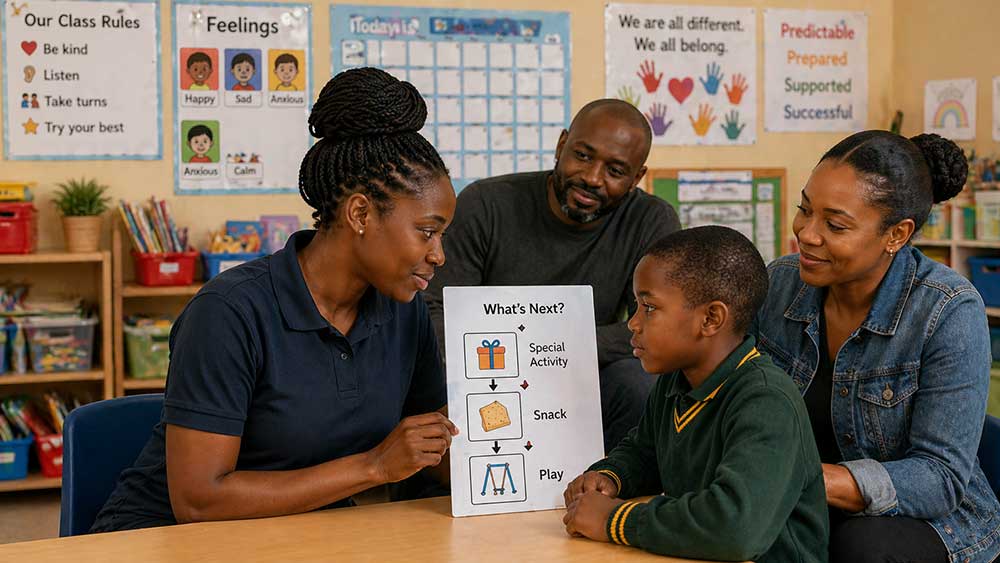
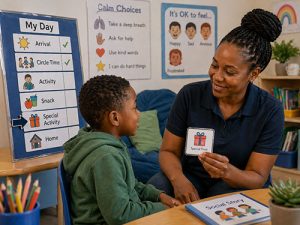
But… surprises are not always negative. When thoughtfully planned and adapted, they can be positive and enriching. Small, low-key surprises, such as a favourite activity added to the day or a familiar treat, can build joy and flexibility without overwhelming the child. Visual clues, social stories, or gentle hints beforehand can help prepare the child and reduce anxiety while still preserving an element of pleasant anticipation.
Understanding your child is key. Parents are best placed to judge what their child can tolerate and enjoy. By respecting each child’s sensory and emotional needs, surprises can become opportunities for growth rather than sources of distress.
Many children find unexpected changes stressful, so it is crucial to consult parents, considering that:
- some children may enjoy surprises, while others require predictability,
- unexpected presents or events may cause distress,
- surprises, such as loud, flashing toys or spontaneous outings, can overwhelm a child’s senses,
- some children may have food sensitivities or allergies – if you intend gifting treats.
Ask parents for specific gift ideas – or whether a surprise would be well-received.