Sadness is a natural human emotion, but…
Sadness is an emotion to move through – not eliminate. Helping children with special needs overcome sadness requires patience, sensitivity and a deep respect for how they experience the world. Sadness is a natural human emotion, but for many children with additional needs, it can feel overwhelming, confusing, or difficult to express.
 In some children, reduced emotional expression can mask deep depression. Supporting them begins with understanding that their emotional responses may not look the same as those of other children. You may notice increased anxiety, sleep disturbances, or a lack of interest in previously enjoyed activities.
Some children may struggle to verbalise their feelings. A child with autism, for example, may withdraw, become irritable, or display changes in behaviour – and not say, ‘I am sad’. Rather than dismissing sadness or rushing to fix it, we suggest you calmly acknowledge it: ‘I can tell you’re feeling upset’. This recognition helps children feel seen and safe.
Children who rely on routine may experience sadness when change or disappointment disrupts their expectations. Maintaining structure, or gently preparing them for changes by simple explanation, can reduce anxiety that often accompanies sadness.
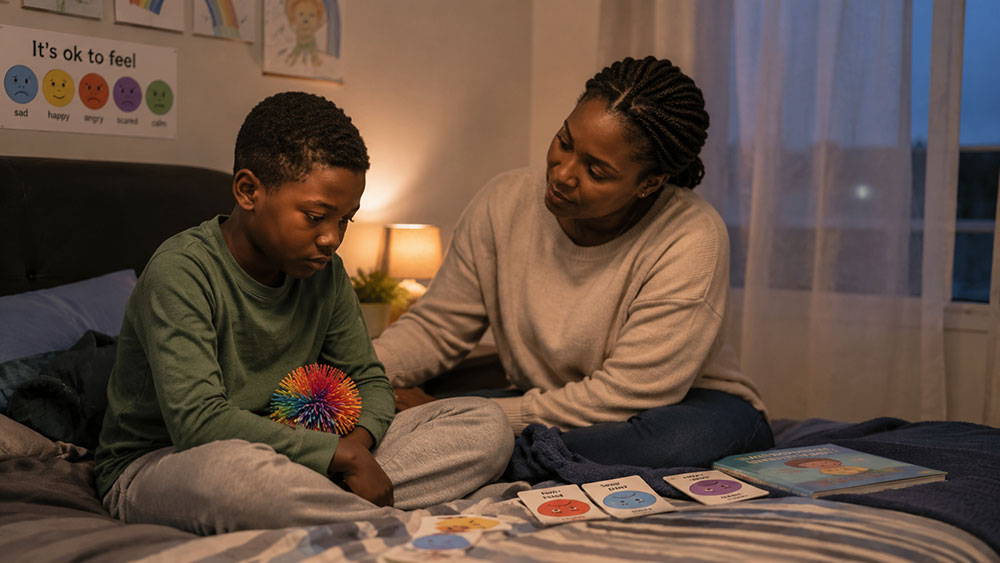
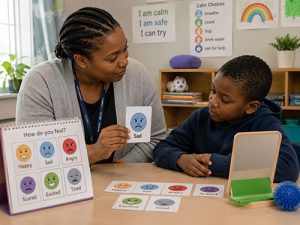
Using pictures, emotion cards, mirrors, or role-play can help children identify what sadness feels and looks like. When they learn to label feelings, they gain a sense of control. Over time, this builds resilience.
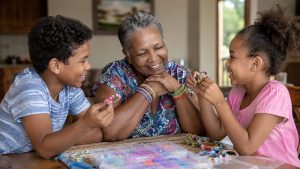
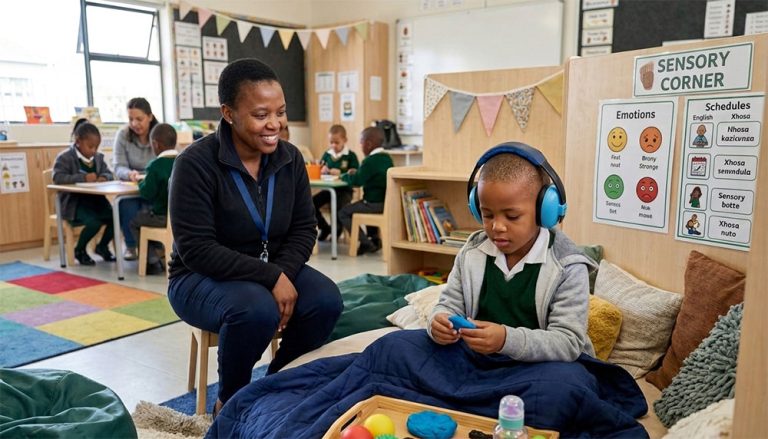
Some children may seek physical closeness. Others may prefer a quiet space, a favourite object, music, or time outdoors. Respecting their sensory preferences shows that their needs matter. Small, displays of care – sitting nearby, offering a familiar activity, or reading a story – can be reassuring.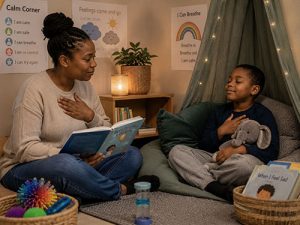
Remember, children learn by example. It, therefore, is a parent’s responsibility to demonstrate calm breathing, problem-solving, and self-compassion when under stress. Gently introducing strategies such as deep breathing, drawing feelings, or using a ‘calm corner’ to regroup are helpful tools.
When children with special needs are supported with empathy, structure and understanding, they learn that difficult emotions are temporary and manageable. They also learn that they are not alone in their feelings—and that steady, loving support is there to guide them through.
If symptoms persist we, at Capulum College, are qualified to advise you – and perhaps you, as a parent, are feeling the pressure too. We are here to help you, as well.