Nurturing trust in children with special needs
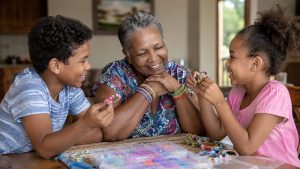
Trust forms the foundation for emotional security, learning, and healthy relationships. Nurturing trust in children with special needs is, therefore, one of the most important and meaningful responsibilities of parents. It requires a foundation of safety, consistency, and unconditional love, supported by understanding your child’s emotions, respecting his/her unique, individual pace, and encouraging independence.
A few suggestions for parents:
- Create a secure, stable environment with consistent routines and clear expectations. This helps reduce anxiety. Keeping promises, following through on plans, and preparing a child for changes in advance send the following powerful message: “You are safe, and I am dependable”.
- Listen with patience and empathy, pay attention to your child’s unique methods of communication and show genuine interest in his/her world. Remember, your child may express through behaviour rather than words.
- Recognise and celebrate every milestone and achievement to build self-esteem and motivation, focussing on your child’s strengths – not limitations.
- Offer opportunities for decision-making, such as choosing activities or clothing. This promotes independence and confidence. Encouraging problem-solving and praising effort – no matter how small – reinforces the fact that your child is capable and valued. This balance between guidance and independence strengthens self-trust as well as trust in others.
- Acknowledging and recognising feelings such as frustration or sadness without rushing to solutions, will help your child feel understood.
- Spending quality time with your child results in bonding, which creates a safe space for your child to be him/herself.
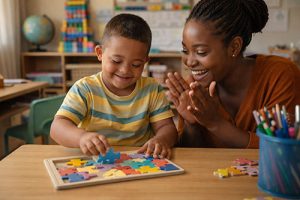 These approaches – combined with patience and flexibility – help children with special needs feel safe, valued, and understood. They are the foundations of trust.
Working on trust requires time and gentleness. Progress may be slow, and setbacks are part of the journey. By responding with patience, honesty, and unconditional care, adults create an environment where children with special needs can gradually open up, feel secure, and develop meaningful connections. In such a space, trust becomes deeply rooted and lasting.