Sensory toys for special needs children
In a previous article we suggested the use of sensory toys for special needs children. Today we’ll focus on these aids that provide stimulation to help manage anxiety, foster emotional regulation, and improve motor skills. They assist children to focus, self-soothe, and explore their, respective, environments in a calming, structured manner.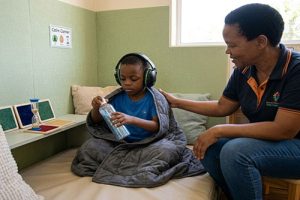
Examples of sensory toys include:
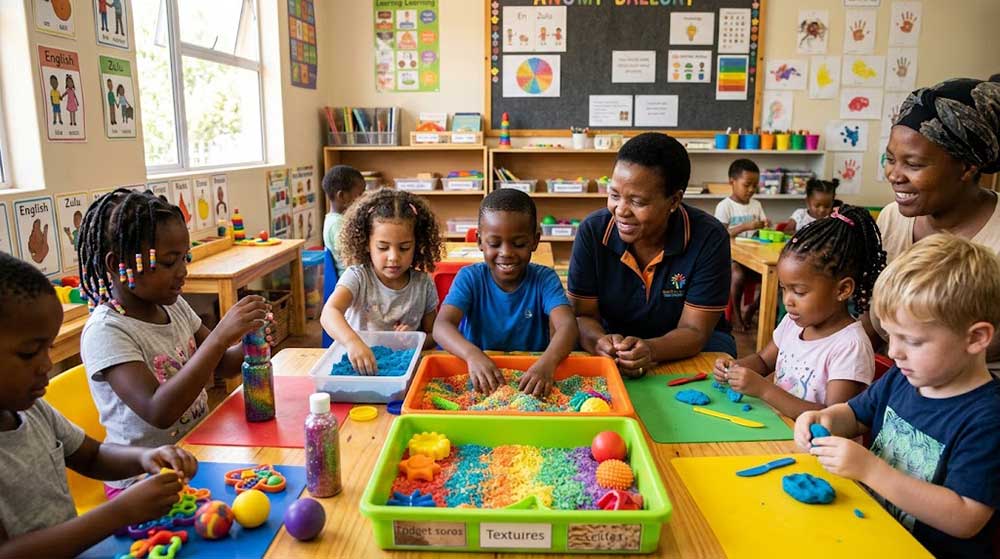
- Containers filled with materials such as rice; sand, or water beads; playdough – that also strengthens hand muscles – and bumpy or spiky surfaces all provide different touch feedback
- For visual stimulation, clear bottles with shifting glitter or liquids offer a calming visual, while ‘light-up’ toys help visual tracking.
- Simple drums or rainmakers teach cause-and-effect through sound, and noise-reducing headphones help block out overwhelming environmental noise.
- Weighted blankets or vests provide pressure that soothes the nervous system, while swings and trampolines help with balance and spatial awareness.
- Chewable safe, non-toxic silicone items are suggested for children who need oral stimulation.
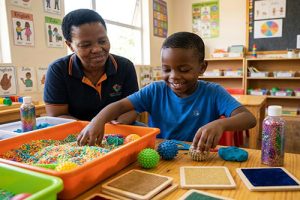 When selecting sensory toys, it is important to focus on your child’s specific developmental age and sensory preference, rather than chronological age. Observing a child’s initial reaction and sustained engagement is key to determining if a toy is effective for its specific needs.
The following are inspirational words from authorities on child development.
Arianna Esposito, Vice President of Services & Supports at Autism Speaks, said: “Sensory toys may be more appealing to children on the spectrum because they can help the child remain calm and provide the sensory experience they want.” She explains that these toys are designed to stimulate senses, helping children with sensory needs.
Susan Linn, a contemporary American psychiatrist and author is credited with saying: “Play is the foundation of learning, creativity, self-expression, and constructive problem-solving. It’s how children wrestle with life to make it meaningful.”
The saying: “Nothing lights up a child’s brain like play”, is attributed to Dr Stuart Brown, a psychiatrist and founder of the National Institute for Play.
According to Dr Maria Montessori, the Italian physician and educator, “the hands are the instruments of man’s intelligence”.
Young children develop understanding, cognitive abilities, and neural pathways through hands-on, active exploration and sensory experience.