Anger can feel intense and difficult to manage
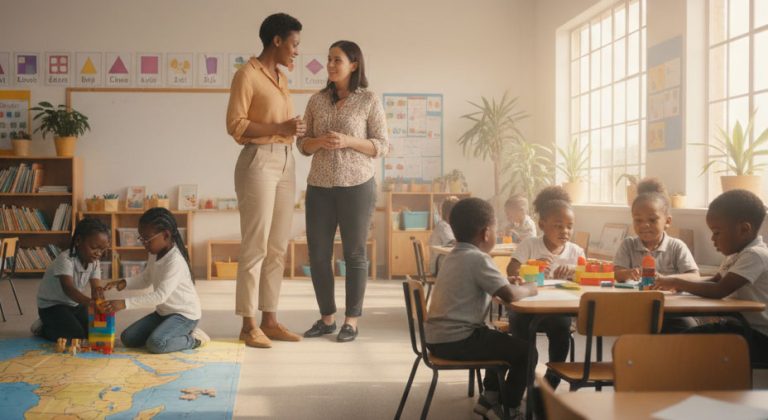
Helping children with special needs requires patience, understanding and compassion. Anger, like any other emotion, is not ‘bad’ – it’s a signal that something feels overwhelming, unfair, confusing or out of control. For children with special needs – who probably already struggle with communication, sensory processing or emotional regulation anger can feel intense and difficult to manage.
 The first step is for you to stay calm. Remember that behaviour is communication and children in ‘survival mode’ cannot reason – your calm presence is the anchor. A child who lashes out, withdraws, shouts or becomes physically restless is probably expressing frustration it cannot put into words. Ask yourself what your child is trying to tell you. Is he/she tired, overstimulated, confused by instructions, feeling excluded? Identifying triggers is key to preventing repeated outbursts.
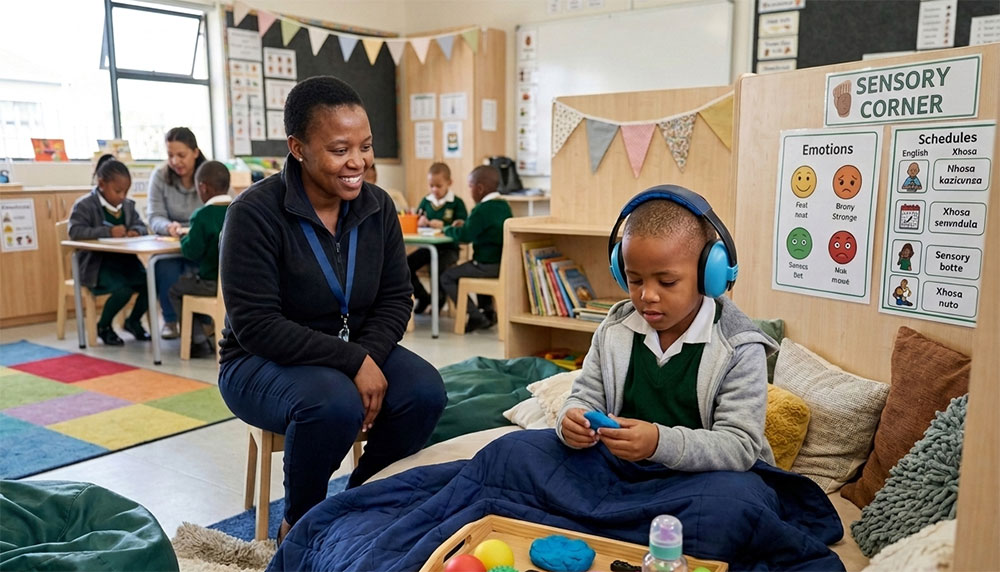
Calm-down strategies must be practised when the child is calm. Deep breathing, counting to ten, squeezing a stress ball, retreating to a quiet corner, or listening to soothing music can all be effective. These tools need to have been rehearsed. Therapists suggest a ‘calm down’ area – a safe, quiet space with sensory tools such as noise-cancelling headphones, weighted blankets, or sensory toys – play dough, cubes, sand, water – that focus children’s attention and energy on a calming activity to help relax, regulate and ground their bodies and minds.
Praise them when they use coping strategies or they calm down. You could say, “I love how you used your sensory tool when you were upset”. Celebrate progress. Emotional growth is often gradual, but every small success, such as using words instead of the wooden spoon, taking a break before shouting, is another step towards the end goal. Over time, with guidance, structure and empathy, children with special needs can learn that anger is manageable. More importantly, they learn that they are understood, supported and capable of growth.
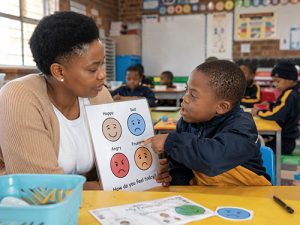
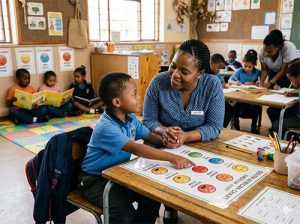
Many children with special needs benefit from open talk about feelings, so be deliberate when explaining emotions to your child. Visual aids, emotion charts, stories and role-play can help him/her recognise what anger feels like in the body – a tight chest, clenched fists, fast breathing – and, thereby, learn to check it before an outburst. Once children can name the emotion, they are better equipped to manage it.
 Boundaries remain essential. Understanding anger does not mean excusing harmful actions. Children need firm, expected consequences delivered in a supportive manner. This helps them learn that although feelings are acceptable, certain behaviours are not.
Children learn far more from what we do than what we say. A calm, steady response communicates safety. Adults reacting with anger or harsh discipline cause a heightened, sensitive situation and reinforce shame. Instead, respond by saying: “I can see you are very angry right now”. This supports the emotion without approving inappropriate behaviour.